The Solitary Midnight Stroll: Reclaiming Indian Streets After Dark
Reflections on why safety is not merely the absence of violence, but the freedom to walk unhurried without fear or permission.
In Indian urban planning discussions, "women's safety" is almost always framed around surveillance: CCTV cameras, streetlights, panic buttons, and GPS tracking apps. While infrastructure matters, this framing subtly reinforces an insidious premise: that a woman's presence in public space is an emergency waiting to happen.
Beyond the Prereqs of "Purpose"
Observe how men move through public space. They loiter. They sit on tea stalls, lean against railings, debate politics on street corners, and take long aimless night walks.
A woman's presence in public space, conversely, is expected to be strictly utilitarian. She must move briskly from Point A to Point B with purpose. The moment she pauses or loiters, she becomes an anomaly.
"Safety is not just arriving home uninjured. Safety is the right to dawdle, to observe the midnight night sky, to exist in public space without justifying your presence."
Movements for Public Reclaim
Initiatives like *Why Loiter?* pioneered by Shilpa Phadke, Shilpa Ranade, and Sameera Khan challenged this paradigm. Reclaiming streets is about refusing to live in a perpetual state of lockdown disguised as prudence.
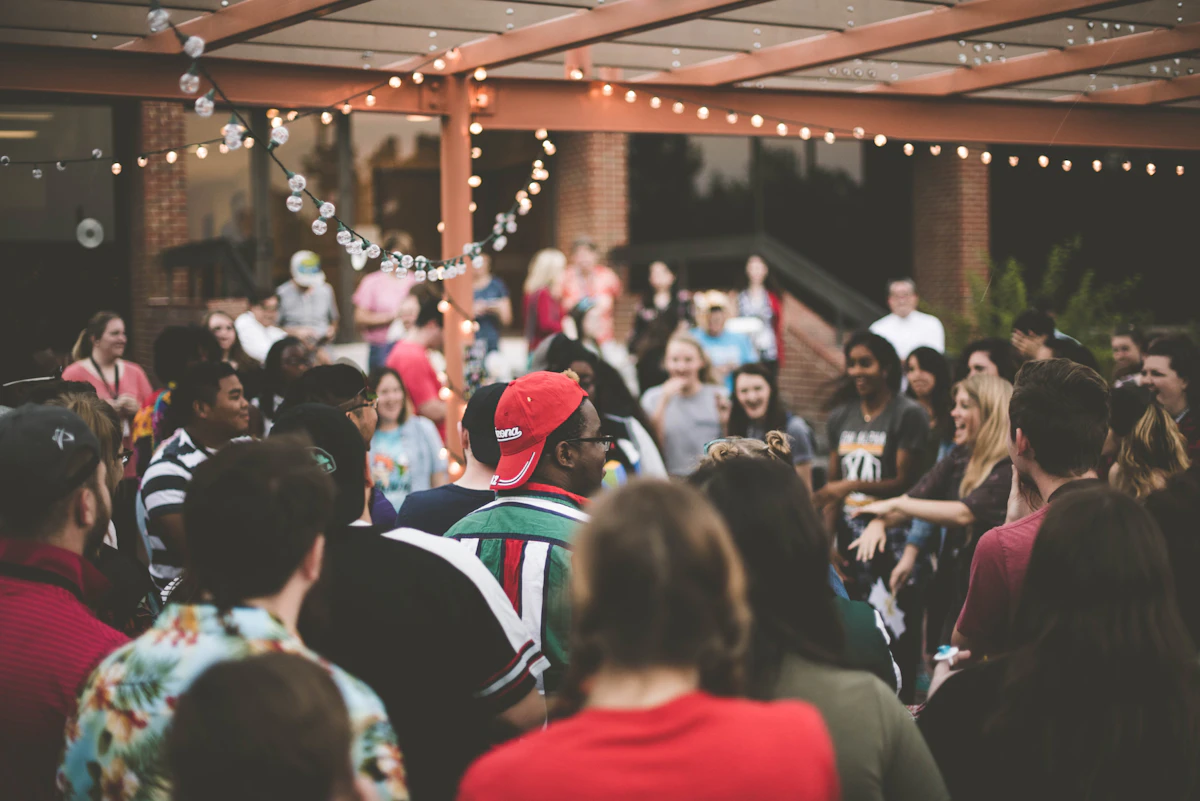
When women occupy streets in numbers — not just for protests, but for tea, laughter, and strolls — the night ceases to belong to fear.
Feminist Files
Editorial Publication
Browse all essays · Enable JavaScript for likes, responses, and the full experience.